Most of my multi-day trips in the Japan Alps have been tent trips, but I’ve also stayed in huts in the Southern Alps, around Tsurugi and Tateyama, in Yatsugatake and in Tanzawa. Either way, the hut is the centre of your night on the mountain: at most of the campsites I’ve used, the campsite belongs to a hut, and you check in and pay at the hut. This is what I’d want a first-timer from abroad to know.
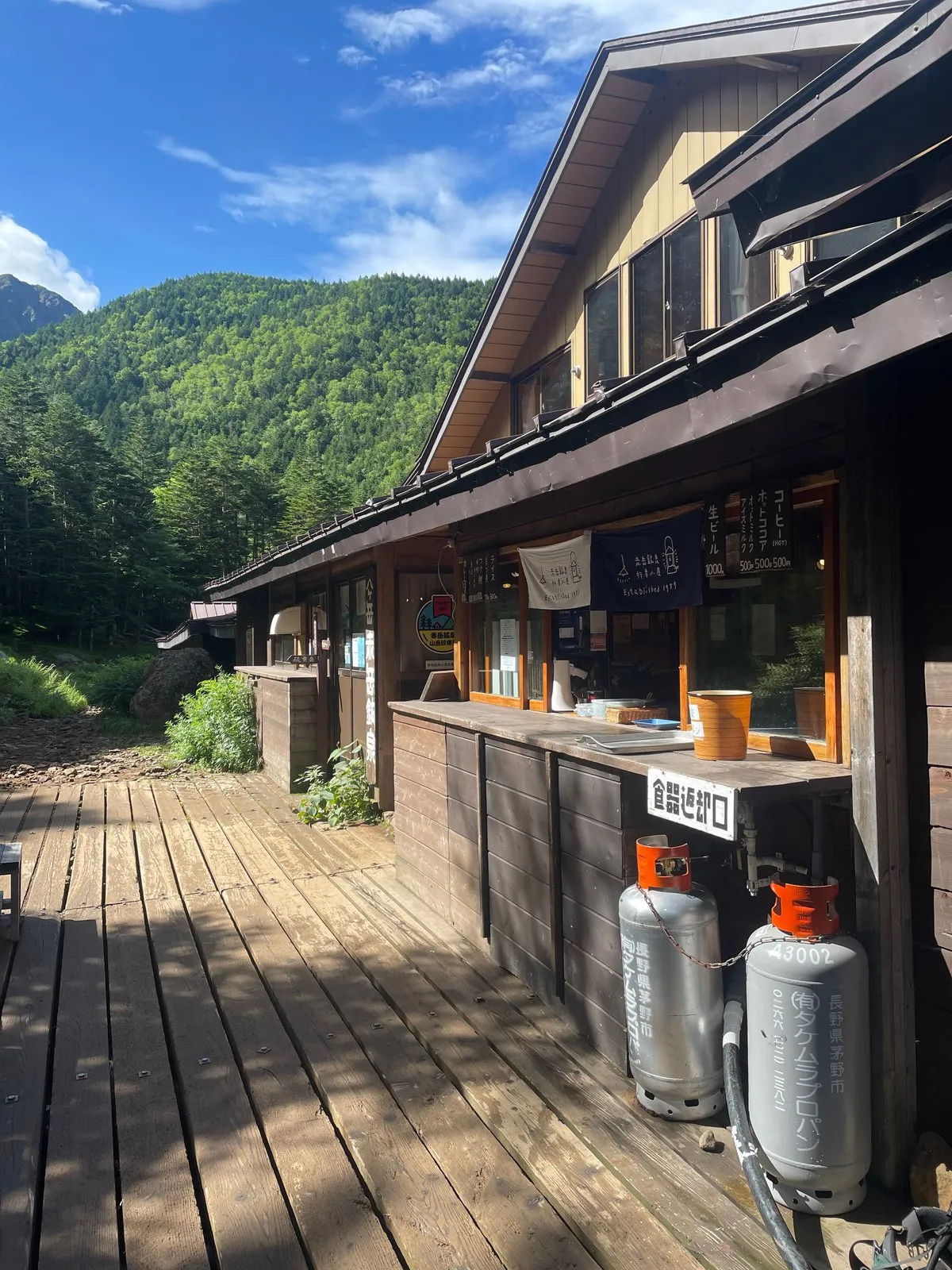
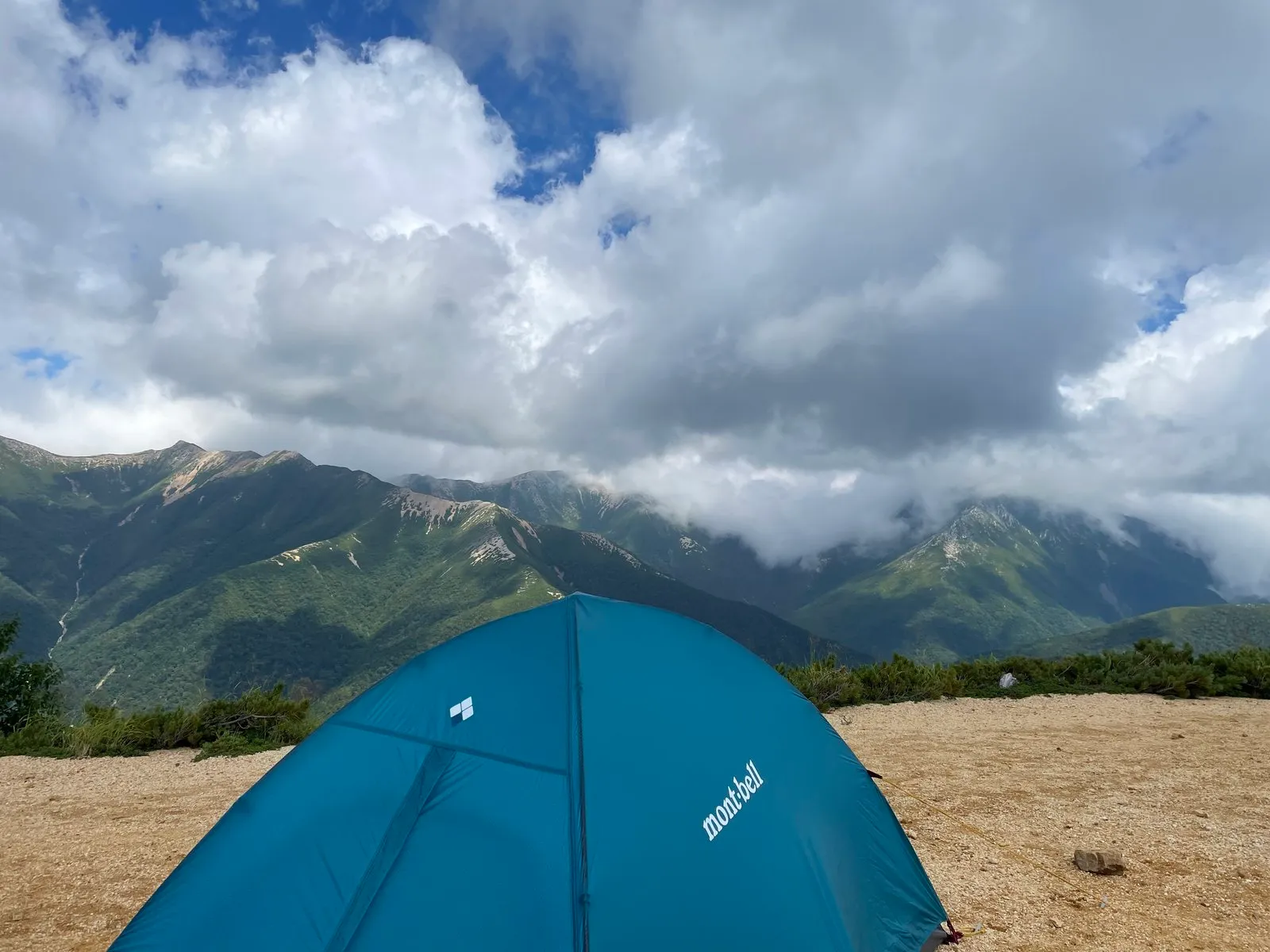
Akadake Kōsen in Yatsugatake, July 2024. The cover photo is my tent at a campsite in the Northern Alps, August 2024.
Prices and rules differ from hut to hut and change from year to year. Everything here is from my own trips between 2024 and 2026; check the hut’s own website before you go.
Hut or tent?
I stay in a hut when I want a bit of luxury, or for a short trip. For longer trips I camp. Most of the campsites I’ve used didn’t need a reservation, so when I suddenly decide to go for an overnight trip, I take the tent. Some campsites do require booking, though, especially popular ones in peak season, so check each one.
If you’re visiting Japan, I’d recommend a hut. There are staff, there are other people around, and in a country you don’t know, it’s good to have that support.
Two things to watch out for:
- Huts fill up early. Book as soon as you can.
- English can be limited. Not every hut’s staff or website is comfortable with English.
Booking
- I almost always book on the hut’s website. Some huts take bookings by phone only.
- Assume you need a reservation unless the hut clearly says otherwise. Rules differ from hut to hut, but turning up without one is not something I’d count on. Book every night.
- Arrive in good time. Most huts ask you to arrive by mid-afternoon; check the time on the hut’s website.
- If your plans change, tell the hut. If you cancel or will be late, contact them. Huts plan meals around their guests, and a missing guest is a safety concern.
- Another option is a package that bundles the bus from Tokyo with a hut stay. Mainichi Shimbun Travel’s Mainichi Arupen-gō runs overnight hiker buses from central Tokyo to trailheads such as Kamikochi, Shin-Hotaka and Hakuba, and sells “mountain hut set” plans with the bus. The booking site is in Japanese. Mainichi Arupen-gō (Japanese)
Checking in
If you’ve booked, it’s simple, much like a hotel: tell the staff you have a reservation and give your name. The difference is that a hut is run by a small team who are very busy, especially in the afternoon. Be patient with them.
Cash
- Many huts are cash only. It depends on the area. In Yatsugatake quite a few huts take cards, and a number of huts in the Northern Alps do too. In the Southern Alps I’ve found it’s mostly cash.
- The safe assumption: no cards, no e-money.
- In my experience, one night with dinner and breakfast costs around ¥15,000. Add about ¥10,000 for snacks and drinks, and I’d carry around ¥30,000 in cash for a one-night trip to be safe.
Food
Hut food is one of the best parts. I haven’t stayed in that many huts yet, but two stand out.
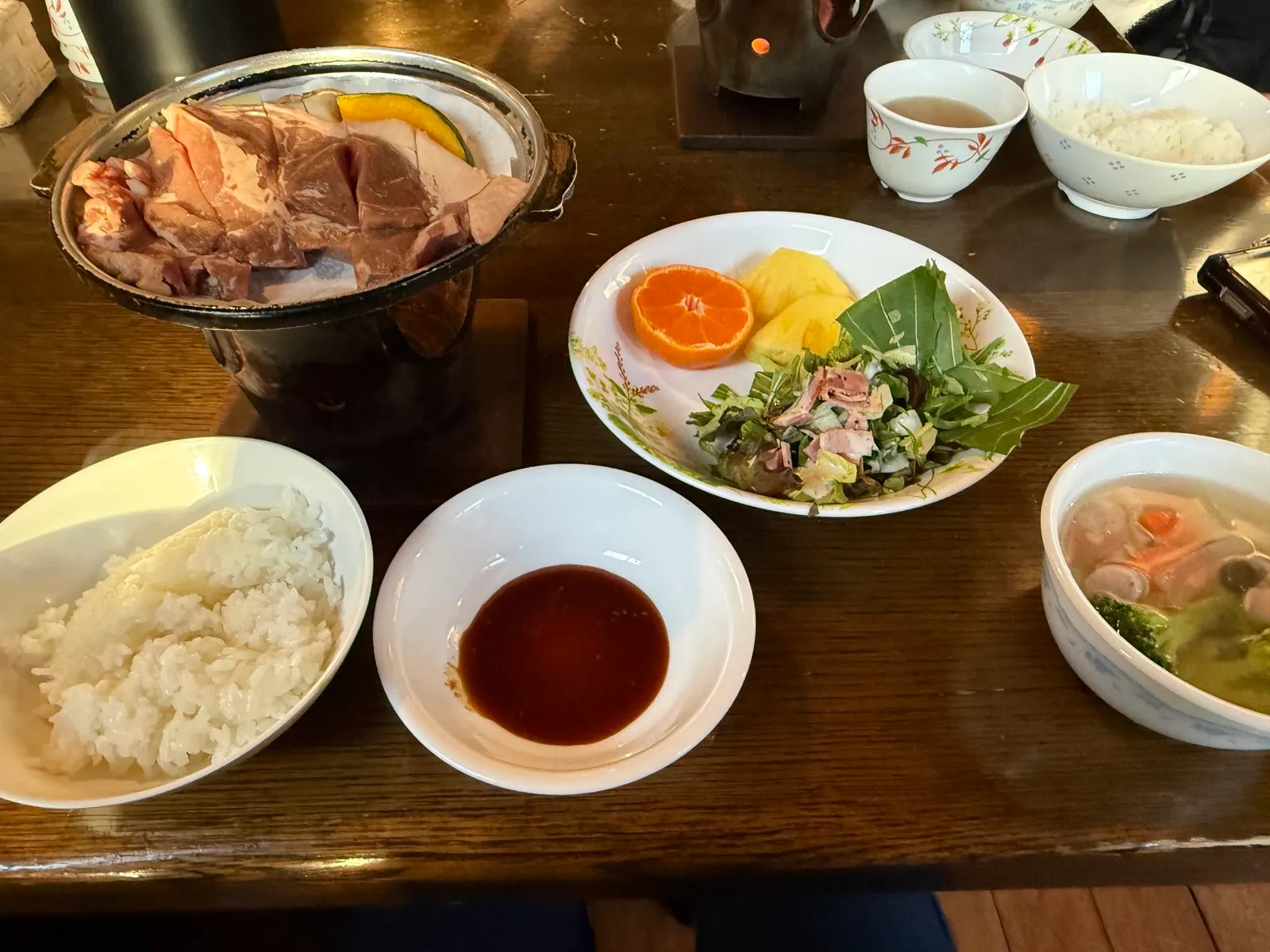
Akadake Kōsen (Yatsugatake). Dinner is steak, on an iron plate set over a little burner, so it cooks right there on your table. These are from two winter stays, in January and March 2026.
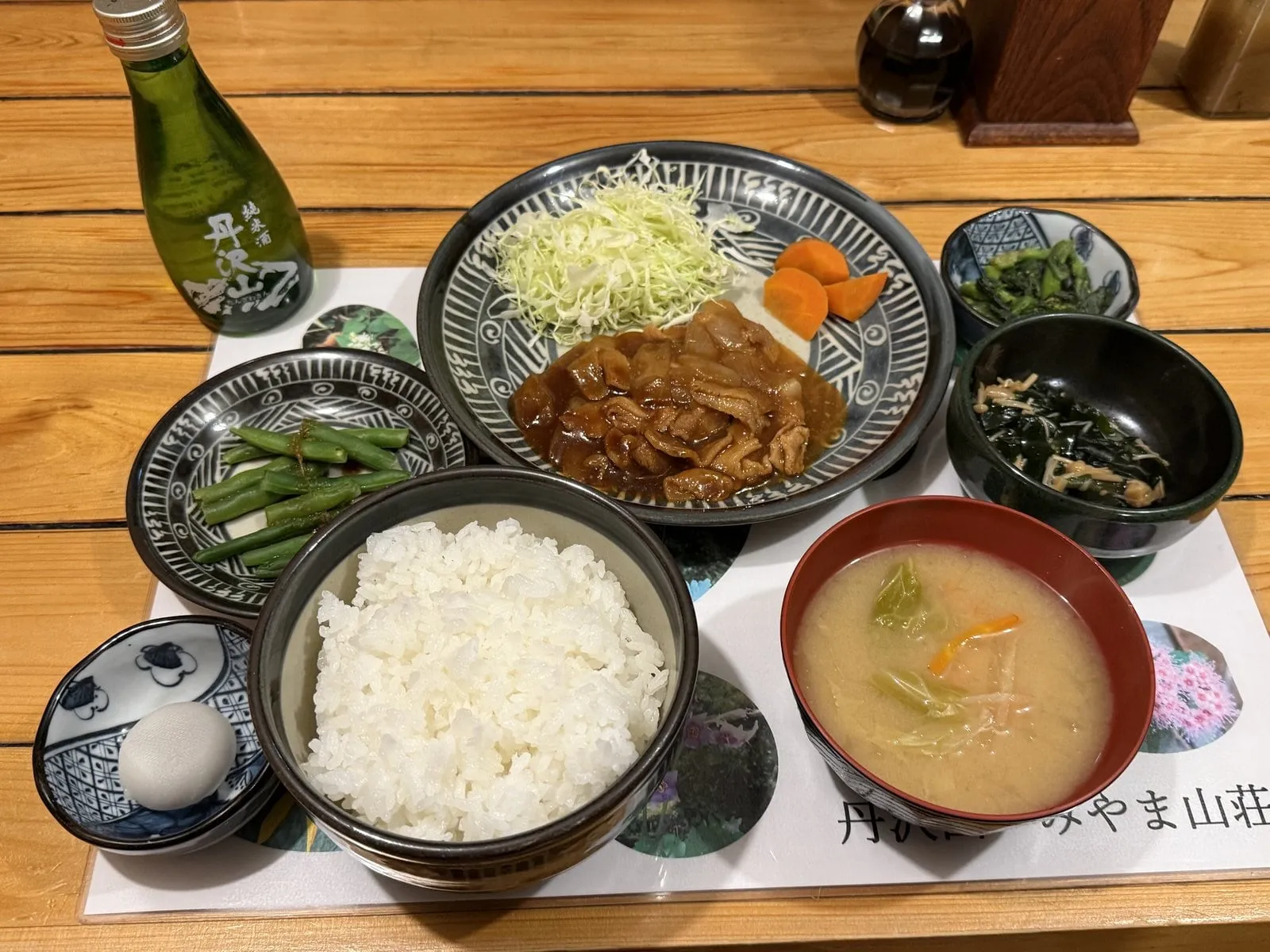
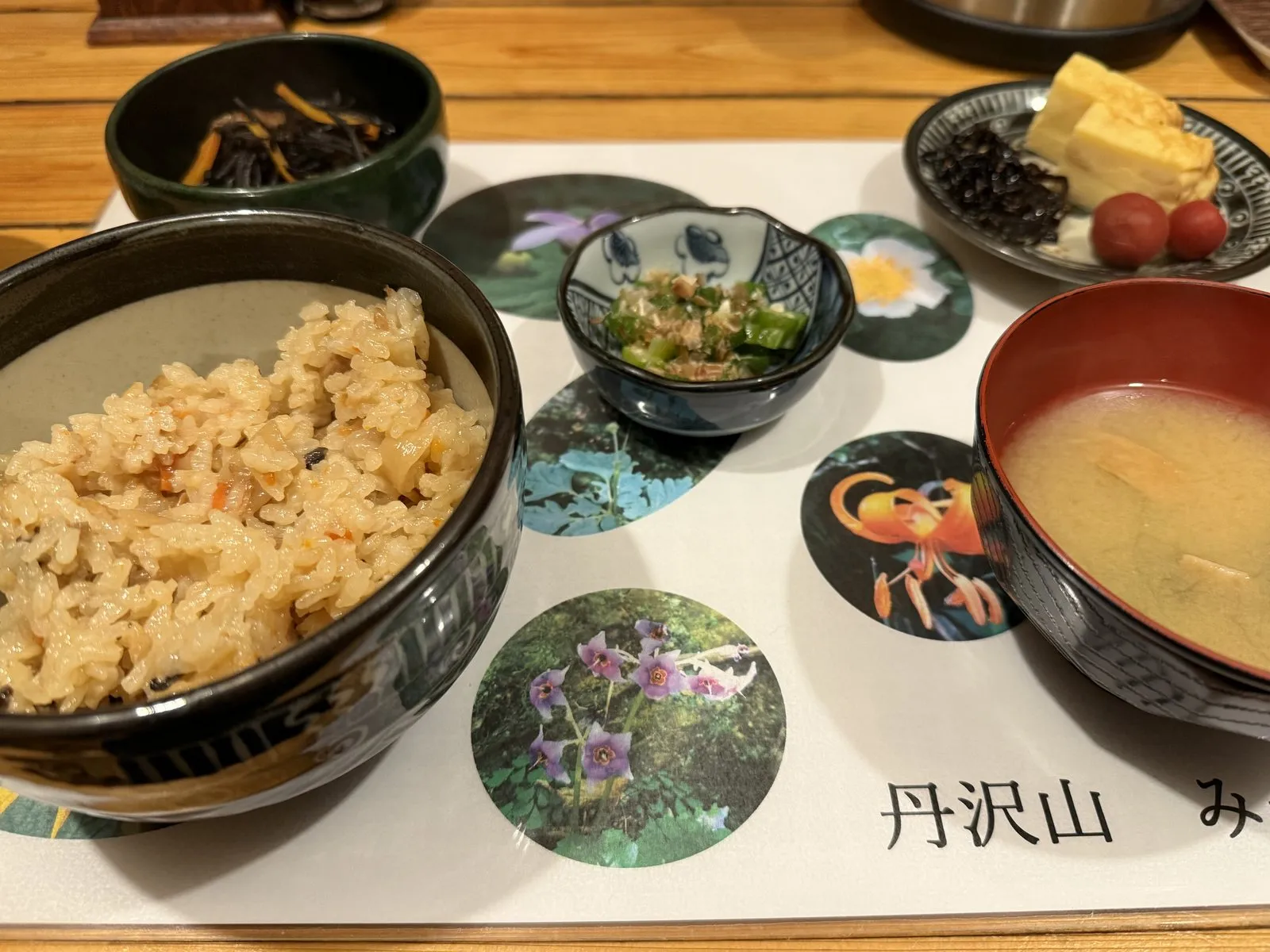
Miyama Sansō (on the summit of Mt. Tanzawa). The food there was excellent too. This was dinner and breakfast in November 2024.
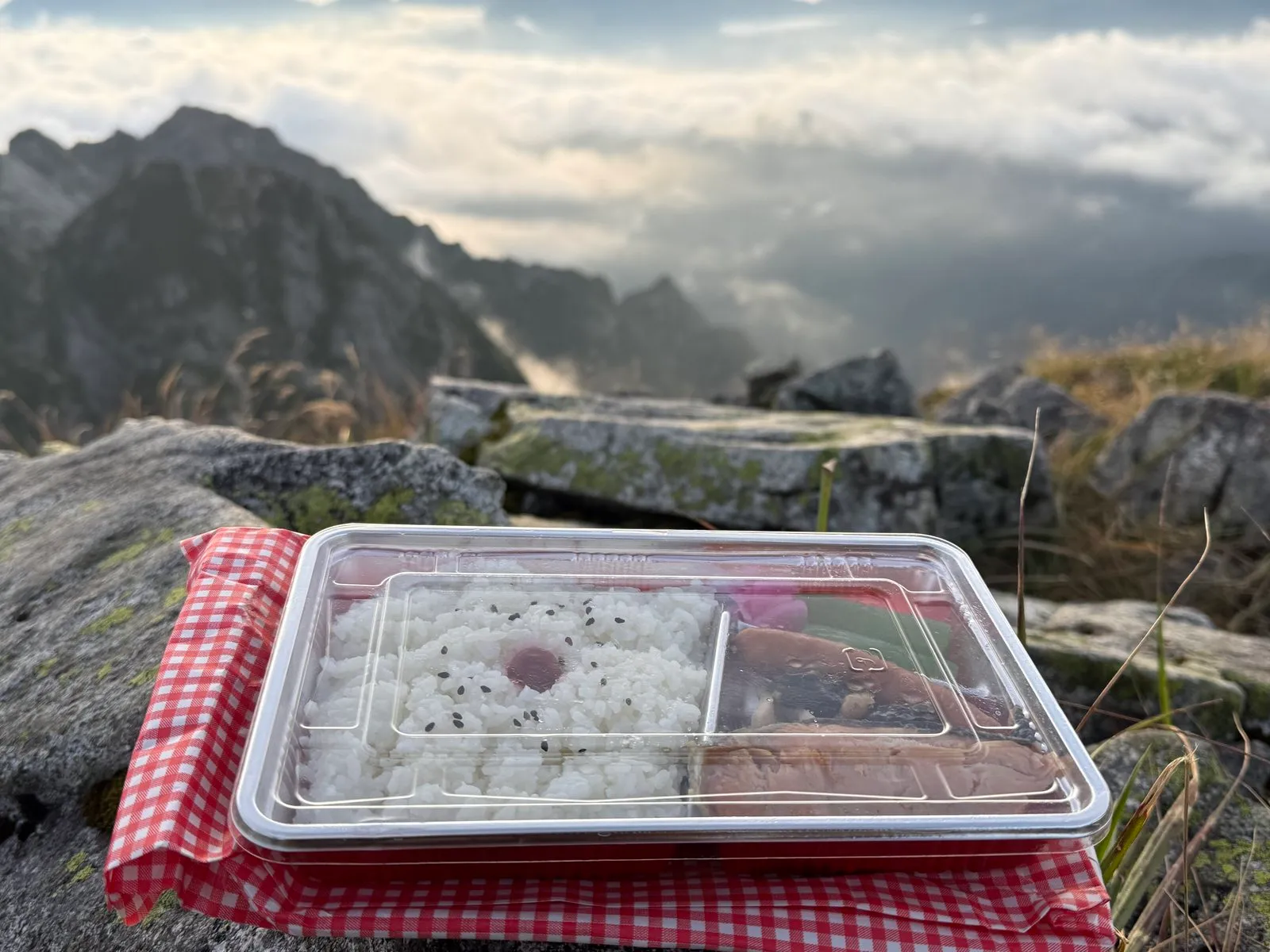
Several huts I’ve stayed in also sold a packed lunch for the next day; ask when you check in. This one, from my stay below Mt. Tsurugi in August 2025, I ate on the rocks on the way up.
A few more hut meals I remember from my trip logs: katsu curry at Enzansō (2024), freshly baked bread and chai for breakfast at Yarigatake Sansō (2024), and a curry dinner with free refills at Shichijō Hut (2025).
Toilets
- Toilets usually cost money. Carry ¥100 coins.
- Bring your own toilet paper. Some toilets don’t have any.
- Follow the sign on each toilet. Many mountain toilets aren’t flush toilets, and at many of them you must not throw paper into the toilet; there’s a separate bin for it instead. Many huts now have signs in English.
- You often can’t wash your hands. Bring alcohol wipes, and carry the used ones home with your other rubbish.
Lights out, early mornings and shared rooms
This is from summer stays.
- Lights out is early, around 9 pm at most huts I’ve stayed in.
- Mornings are very early. Some people get up at 3 am and are out the door by 4.
- Rooms are usually shared, and usually mixed (men and women together).
- Bring earplugs and an eye mask. There will be snoring.
- Pack the night before. When you get up, others will still be asleep. Get ready quietly, and if your headlamp has a red-light mode, use it.
If I had to guess what surprises visitors most, it might be that you don’t sleep in a bed. In most huts I’ve stayed in, you sleep on a futon laid out on the floor, side by side with other guests.
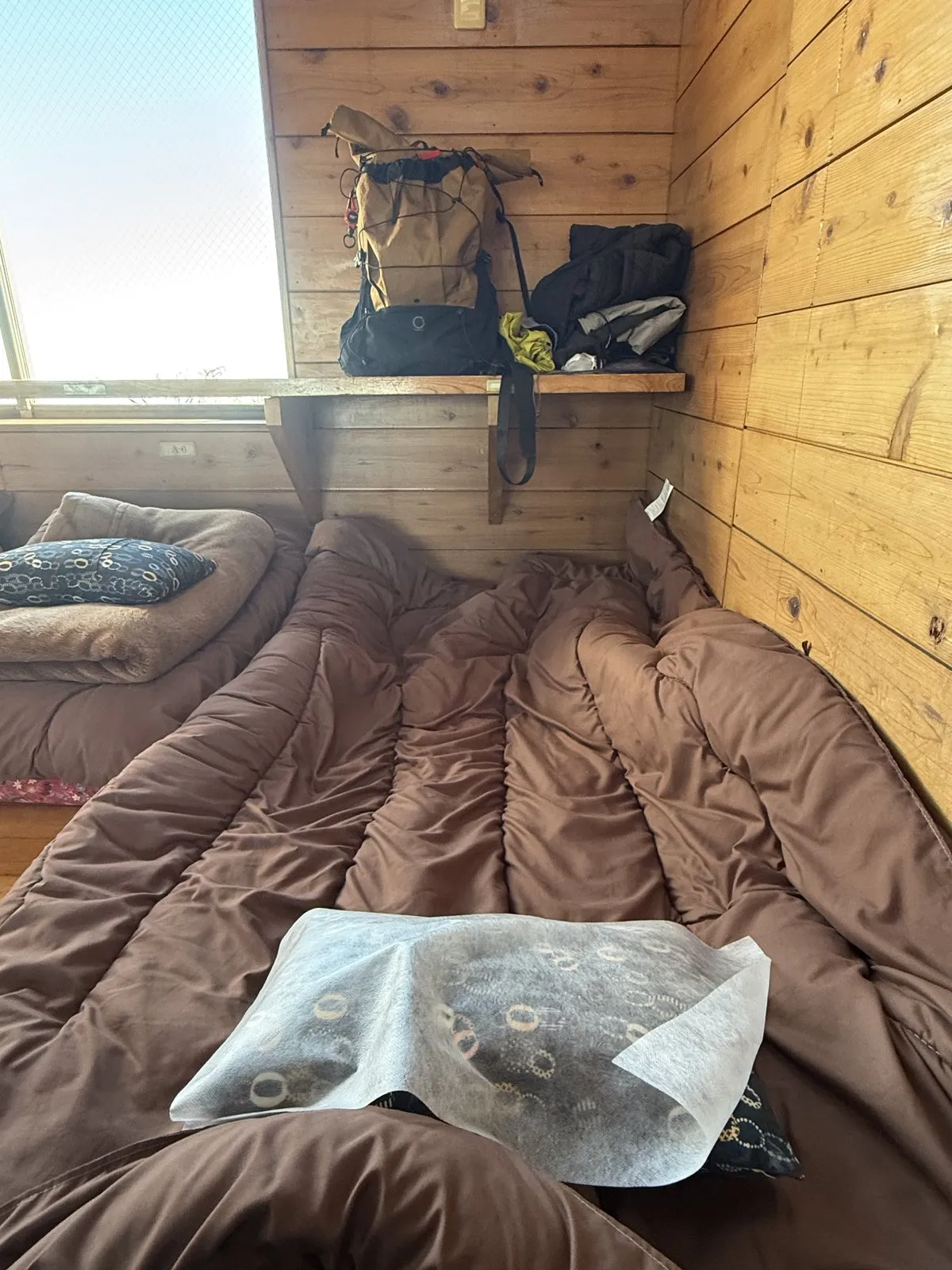
The room at Miyama Sansō, November 2024. Note the paper cover on the pillow.
Bedding, charging and changing clothes
- Bedding is provided. Huts normally supply futons and blankets. Some huts ask you to bring your own sleeping-bag liner, so check when you book.
- Charging varies a lot. Some huts let you use a socket for free, some charge a fee for a set time, and some have no charging for guests at all. Bring a power bank. I’d strongly recommend it.
- There’s rarely a changing room. I usually change in the toilet. A very few huts I’ve stayed in had a space for changing.
Water
- Water sources vary a lot by area. Check them beforehand on a map or in an app like YAMAP, and remember that in some years they dry up.
- Unless a source is marked as drinkable, treat it. Use a filter, purifying tablets or boil it before you drink.
- Start with the water you need. Carry it from the trailhead where you can.
- You can buy drinks at huts. Water, or a sports drink like Pocari Sweat, was around ¥500 in my experience.
- I fill up from a water source when there is one, and buy at a hut when there isn’t.
Camping: only at the campsite
Pitch your tent only at designated campsites. Most of the Japan Alps is national park, and camping outside designated sites is generally not allowed. Check in at the hut that runs the campsite and pay there.
When the weather turns
In July 2024, on my first trip in the Southern Alps, a storm came in on the second morning near Kitadake. Gale-force wind and rain drove me into Kitadake Sansō at nearly 3,000 m, and I waited there for about three and a half hours.
Even in July, getting soaked at that altitude left me really cold. The hut had its stove going, in July, and it was warm. I drank a coffee, and I felt safe, not just physically. Two hikers from overseas had got there before me and were already warming up; we had lunch together, and once the weather eased, each of us set off again.
That’s the other thing a hut is: shelter. Summer in the Japan Alps can still be cold up high, so carry warm layers and rain gear.
What I’d do differently
Food. On my first tent trips I packed instant noodles for breakfast too. Boiling water first thing in the morning turned out to be a chore for me. Now I’d take a breakfast that needs no stove: protein bars or a drinkable jelly.